


Service and Inspection of HVAC and Refrigeration Equipment
Air conditioning, cooling units, and ventilation systems are now a common feature of industrial facilities. They operate quietly in the background, but have clearly defined rules for inspection and maintenance. They are also subject to environmental inspections. Inspections, maintenance checks, and proper record-keeping are essential; without them, the operator exposes themselves to numerous risks.
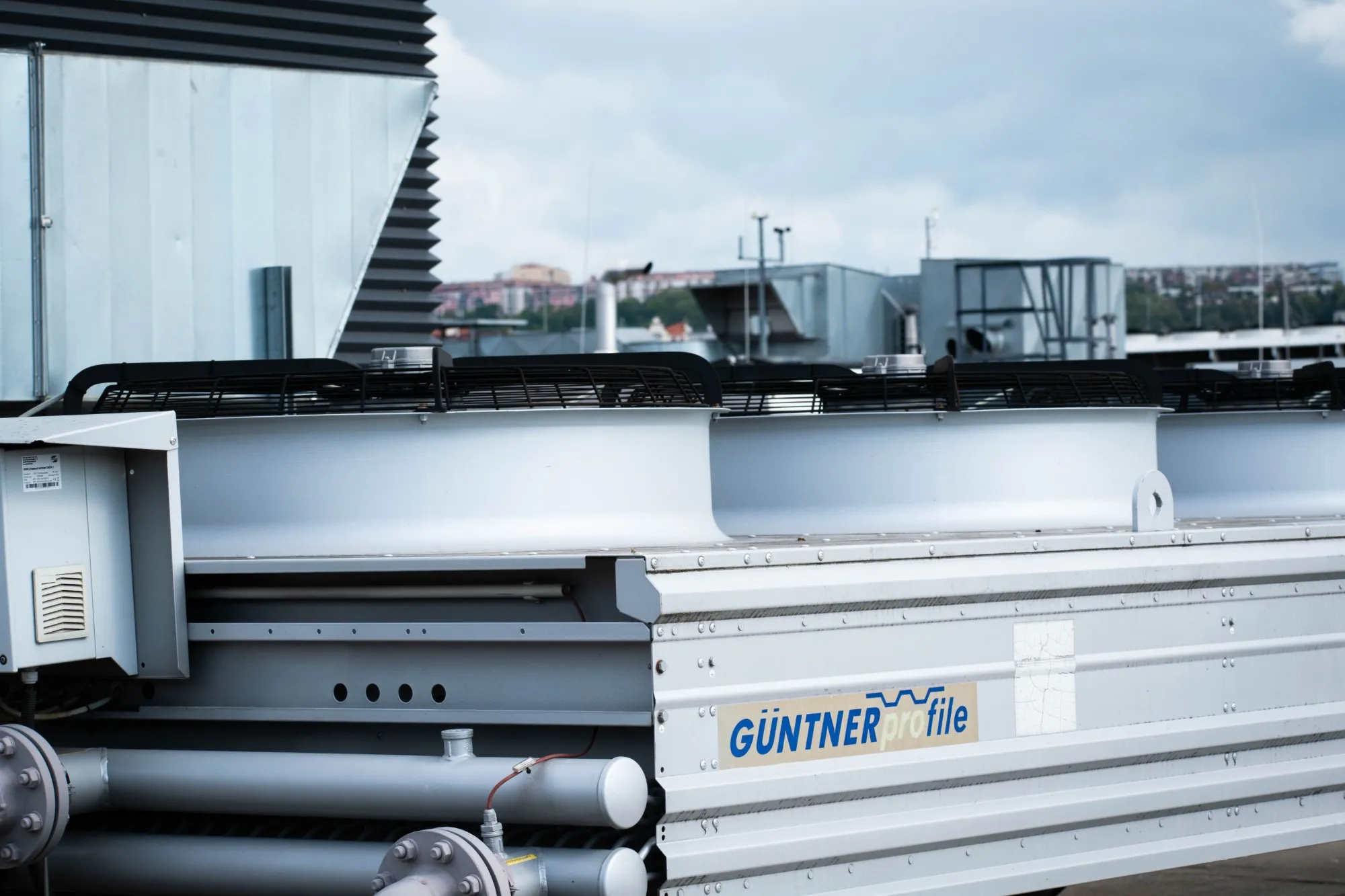

Just as you have electrical or mechanical inspections for your car, the cooling system is also subject to regular inspections. It is a system that has its own standards and must be monitored. Failure to comply with these standards can result in heavy fines for operators and even the risk of having their operations shut down. Another common problem is that records are not kept on-site but at headquarters, or that the technology itself is not accessible for servicing and inspections.

Maintenance and inspections of refrigeration systems
are part of our service
As part of our technical facility management services, we also provide management, maintenance, and inspections of refrigeration systems. This includes compliance checks, as refrigeration systems operate with mixtures containing hazardous gases that pose a threat to the environment. They are therefore subject to oversight by the Environmental Protection Agency and are governed by laws issued in accordance with EU regulations. The frequency and regularity of inspections are subject to legislation and vary depending on the type and capacity of the equipment. In addition to managing the technology, we must not forget the users who need to operate it. Our service is comprehensive and includes:
- physical inspection, cleaning, and measurement of operating parameters
- assessment of technical condition and compliance with standards
- proposal of solutions upon identification of a problem
- operational user support
How does servicing work in practice,
and what is checked during inspections?
The inspection follows a clear procedure and includes checking and cleaning the indoor units, as well as inspecting the outdoor unit—which involves a thorough examination of the equipment, electrical wiring, and refrigerant circuit—and measuring refrigerant pressure during operation. What are the most common issues that can interfere with operation and need to be addressed? For example:
- clogged or dirty HVAC filters
- clogged heat exchanger surfaces causing wear on the motor and ATD
- dirty air conditioning heat exchangers and evaporators, which increase the load on the motor and compressors, raise system pressure, and create conditions for refrigerant leaks and equipment damage
We maintain refrigeration equipment
Interest in cooling system maintenance and inspections is growing, and Arridere is building an in-house team capable of meeting the needs of our network clients as well. We currently provide service at nearly 100 locations. Given the growing interest, we plan to expand this specialized team so that we can respond flexibly to market demand and ensure uninterrupted supply, including coverage for emergency situations that may arise due to extraordinary circumstances.
When taking over a new facility,
it is crucial to assess its actual condition
Every new client requires an initial audit. I start with the reality of the facility, not with paperwork. We know from experience that documentation often does not reflect the actual conditions on site, or is not available where it is needed. That is why we always begin with a physical inspection of the equipment when taking over a facility. A technician inspects each unit, checks its condition, measures operating parameters, and verifies that the equipment complies with standards. Only then can we form a realistic picture of what is working and what is not, and establish a plan for solutions and regular inspections.
A thorough and professional inspection
will help identify even hidden, emerging issues
This goes beyond missing or inaccessible equipment records, units that haven’t been cleaned in a long time, unverified refrigerant levels, or equipment that “works” but does not comply with standards and legal requirements. The inspection will also help identify incorrect refrigerant pressure during operation, refrigerant leaks subject to mandatory reporting under F-gas regulations, unit contamination that reduces performance, noise levels, or unusual equipment behavior that may indicate an impending problem.


Leave the worries about operating your refrigeration equipment to us
Contact me