


Let's build buildings for people, the world doesn't need more monuments
This was said by Martin Kaleta during an interview with David Lukeš, director of the Paraple Centre and former managing director of Arridere. This sentence beautifully illustrates the current state of affairs and the challenges that connect our worlds. The world of facility management and the world of people with disabilities.
We are united by history, people and meaningful collaboration
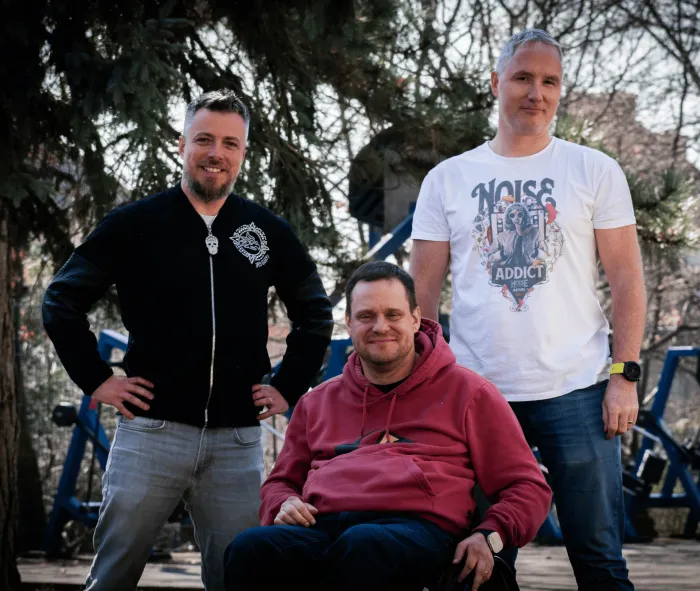
Arridere and Paraple Centre, which helps people with spinal cord injuries, have much more in common than just the orange colour in their corporate identity. We are united by our history, our people and our collaboration in the safety and operation of the centre. We bring you an interview with the director of the Paraple Centre, David Lukeš, its operations manager Jirka Pokuta and our CEO Martin Kaleta. We talked about our common beginnings, current challenges, current cooperation and visions for the future.
Common beginnings, key moments and pride in the result
How it happened that we are sitting here together today. Where did you two actually meet?
Martin: Arridere was formed within the Cimex Group in 2015, but we met around 2012. David was working within the Cimex Group in legal later on in the marketing department, and I was working in purchasing. After the formation of Arridere, David was its second managing director given the ownership structures at the time. And this year marks the tenth year that the company has been on the market. Last January, David signed one of the most important milestones, and that was the sale of the company into our hands.
How did you feel about the sale of the company? What comes to mind when you hear the word Arridere today?
David: I am very happy about it. I've always approached all the companies within the group in the way that they should be able to win contracts outside the group and be self-sufficient. Which has been successful in some places and not in others. Here we have managed to build a company that has done that. I'm proud of that, even though Martin actually did the work. We gave him the opportunity and he took it brilliantly. Now Arridere is an independent, confident company and I'm always pleased when he turns up somewhere. For example, in the Expert Board, where we talk to other members about what we are currently working on. For us right now, it's cleaning up. And in the dialogue they immediately recommend Arrider to me. With a smile, I reply that we are working together. And those are the moments when I'm really proud of the company.
Martin: Within Cimex we were given a chance, a portfolio and an opportunity to learn everything. And then we also got a healthy war! We were put out in the cold, knowing that we would either survive or not. It toughened us up a lot and pushed us mentally. We had to learn to say ‘customer’ not ‘house’. The group's portfolio was shrinking, gradually being taken away from us until we became self sufficient. The Cimex Group is an investment group, so we naturally became one of the commodities that could be traded. Eventually, we were also given the opportunity to go our own way.
David: And that's what I'm happy about and proud of. That the sale was connected to a specific person that I know who built the whole thing and was willing to go into that huge uncertainty. I also like to see that the people who grew up at Cimex don't forget where their roots are and remember and talk about it with respect.
So a story with a happy ending on one side and a new beginning on the other. How did you feel about it, Martin?
Martin: I sign everything David said. There are two decisive moments in my memory. The first one was when my boss at the time came to me and said, ‘Martin, either you build a facilitator or someone else will come in and do it for you.’ And the second was when he came and said: ‘Martin, we will try to sell you.’ And I knew right away that I was going to look for investment partners. I had two unfinished sales in the group and I knew I wasn't going to make it with people or customers a third time. I knew we needed a story with a positive ending. It took me about 15 seconds to make that decision at the time and then there was no turning back. Eventually, my colleague Honza Fical and I went for it. Today, the entire management is in the broader shareholder structure. You can see it in their involvement, culture and atmosphere. That's what we enjoy now. We have two mottos. We have to enjoy it and we mustn't let it get us down.

"I am proud of Arridere. As someone who was there at the beginning. And as the one who signed the sale of the company into the hands of the people who built it. I am really happy about the cooperation within the Paraple Centre. We have a strong and qualified partner at our back who understands building operations and security. The challenges we are addressing in this area are not few. Accessibility is still not the standard, but the world has bigger problems. If I had a magic button and one wish, I would wish there were no wars."

Our operation is specific, barrier-free is not a standard even in general terms
How is it today when we are all sitting here together in the Paraple Centre? How does your story continue? What do Arridere and the Paraple Center have in common today?
David: I would start with how Arridere came to Paraplete. In the early days, I asked Martin for help because I didn't understand the operations of the building in depth. When I started to unravel what it entailed, I realized that we couldn't do without it. We have our own day-to-day operational maintenance. But we needed a partner in the overall management of operations, security, building technology. That was our first contact.
Martin: In the beginning, we took advantage of the synergies within the group. We are currently dealing mainly with security, where the scope of cooperation is growing dramatically. We also provide audits, we have installed cameras. Together, we are now focusing mainly on prevention and security.
Jirka: The first area we tackled together was audits. When I started working here as an operator, there were no supporting documents, the former contractor had gone out of business. That's when Arridere helped us. We are a healthcare facility, so we need special revisions and certifications. Later on, we went into HSE and PO, which we needed to shift. It's a comprehensive and specialized agenda. Working with experts took the thorn out of our side.
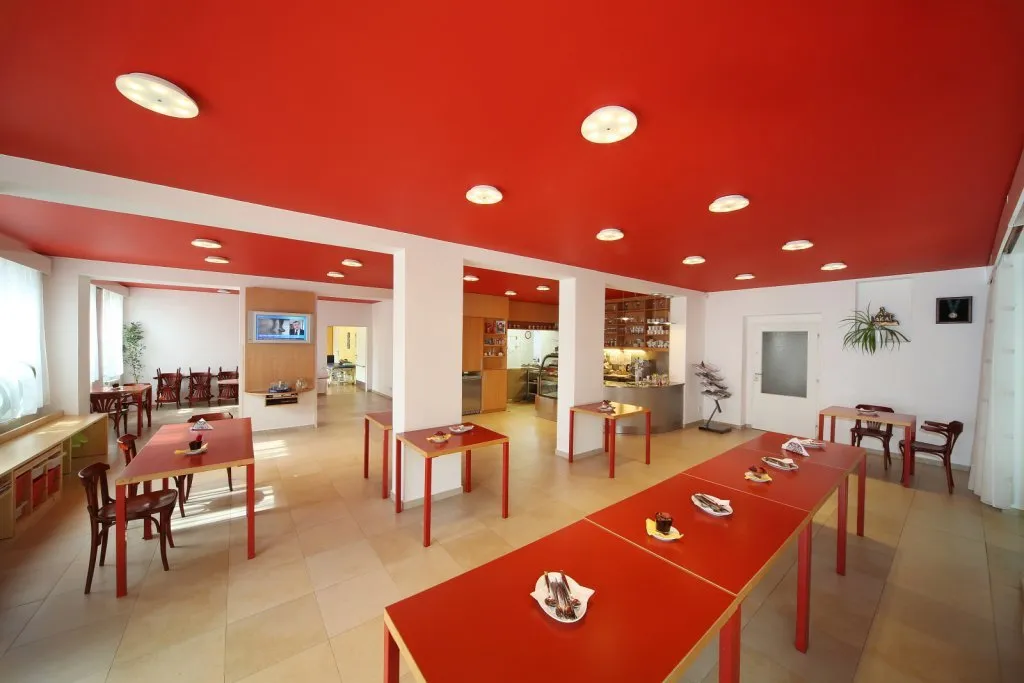
David: Our operation is such a nut. Social and health services meet here, we have a café, a car service, a workshop, people staying with us. Several segments all together. And that's why we're glad to have such an experienced and strong partner on the road to professionalization. At a certain stage we didn't address some things because we didn't have the resources. Neither human nor financial. But we said to ourselves that we want to get all these things in order, to have people with us in a safe environment and also trained.
David, if I pause for a moment in general terms in terms of Facility versus wheelchair access. How do you see it through the eyes of you and your clients. Is that the standard today? Are there any barriers that remain, and if so, what are they?
David: Accessibility is still not the standard. It is often more about finding reasons why it is not possible. Modern buildings are better, but even there it is not always ideal. Legislation also plays a big role in this. At the heart of it, however, it is all about access. Whether we are truly inclusive and open from the start, or whether we only react when the need arises. Today, it is not a problem to do basic research, Google is available to everyone. So people in wheelchairs naturally choose spaces where there are no barriers. But we often hear from partners, ‘If students with disabilities come to us, we will accommodate.’ But that's not how it works. Those students often don't even apply because they don't see that the environment is ready for them. And it's the same in the work environment.
Functionality is disappearing, understanding and dialogue is important, we should build buildings for people
Martin, how do you see it from the perspective of the facility with the barrier-free accessibility?
Martin: When I was studying, we had a course on Designing Buildings according to Decree 398/2009 Coll. I spent some time in a wheelchair in that course. Here I understood what it means for a wheelchair user to open the door to the toilet and other common things. We then spent a whole year walking around the city looking for mistakes. Today, when buildings go into renovation, there are two things they want to avoid. The first is the fire department and then anything related to accessibility issues. It's a cost to them. Unless they are a purely financial organization. I've tried taking over several new buildings myself, the accessible restrooms are often done differently than they need to be. I see the emphasis on this issue disappearing from designers and architects. Functionality and practical continuity is being lost.
In addition, operational concerns sometimes go against each other. For example, the metro. Every elevator is basically a hole in the ship through which water can leak in. The way I see it, it is crucial that these two worlds meet and have a dialogue. The second thing is whether the staff is used to the presence of people with any kind of disability. It seems to me that that is getting lost as well. People seem to have forgotten that there are mums with prams, because it's not just about people in wheelchairs. Ordinary people without knowledge of this context may find some of the requirements illogical. Dialogue and awareness are important.
David: I've also had architects tell me that it's ruining architecture. That's where I often have conflicts with people. But I try to explain so that the result is not an experience of conflict as such, but rather some awareness and understanding. And it's not just us wheelchair users, the group is really broader. Yes, the mums and I are the same gang in that respect. It's about old people too. If we want to go back to Sparta and we all agree on that, I have no problem with that. But once we've declared that we all want to live together here somehow, we need to adapt to that. A lot of people still see accessibility as a superior standard. But it should be the basis.
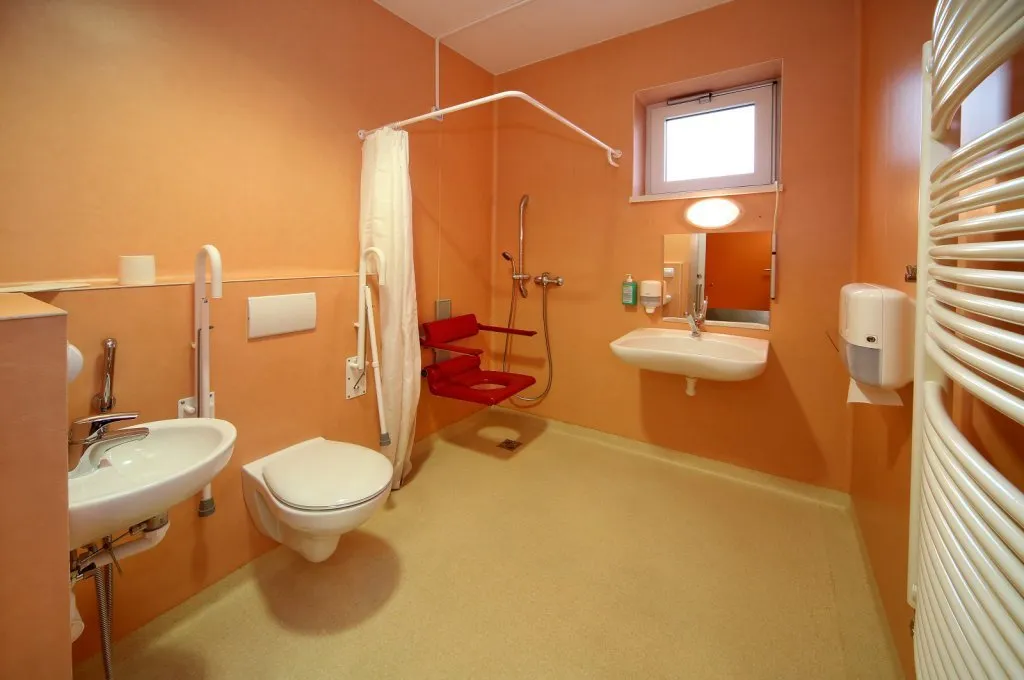
It's basic stuff. For example, a toilet. Yes, it's bigger, it's different, but it's a toilet for God's sake. It's a basic thing. And the same ramp. The fact that the slope is supposed to be a slope is not a fantasy. For a wheelchair user to be able to use it unaided, it does require a certain angle. If the ramp is just there to be, and you cross something off the checklist, then even a random passerby can't help you. Pushing a wheelchair with an adult at a high angle is not easy and can be very dangerous for both of them. The key is in the mutual UNDERSTANDING of WORLDS, good dialogue and user access.
Martin: I'll come back to the architecture. I understand that it is also about aesthetics and artistic impression. But buildings are supposed to be built for people, they are not supposed to be monuments. They are supposed to be functional and useful. The pretty things are supposed to be the icing on the cake. We don't have 100 percent healthy people here, and it's only going to get worse as the population ages. And that's something to keep in mind.
"The cooperation with the Paraple Centre is a matter of heart for us and our people. They love coming here and they put their heart into it. Accessibility and safety is a specific topic that requires knowledge and experience. During our studies, we had a course where we spent some time in a wheelchair to understand the barriers that people with disabilities face. Then we spent a year walking around the city looking for bugs. I don't know if this is still taught, but I feel like the topic of accessibility seems to be fading from public space and architecture. I also perceive that the priorities are elsewhere within our profession."
The world has other problems, openness has to be mutual, we focus mainly on the future
David, you do a lot of education and popularization of this topic, if you could work your magic and get the key issues behind this into the public eye, what would it be?
David: I'm immersed in it because I live it and it's our business. And I also realize that the world has a lot more of these topics and issues and even more serious ones. And we all need to live our own lives somehow as well. I take it that the things we've described are just the way they are. If I could cast a spell, I'd wish there was no war. I think that bothers me a lot more in relation to humanity as a whole. I wish we humans could find a way to get along. From the point of view of people with disabilities, I wish there was more openness and that the hatred of difference would go away. But I guess it bothers me again more when I see aggression towards people from other countries, racism and such. People with disabilities aren't treated as well by others. More accessibility and tolerance would be great, on both sides. Even people with disabilities can be closed off and angry, have trouble understanding the other side again. That there may not be malicious intent behind it, but maybe just ignorance. Because they haven't experienced it themselves and no one has explained it to them. I believe the way is in open dialogue.
What about a common future? What are the current issues that you are dealing with. What are your future goals and what can Arridere help with?
David: Sustainability is essential for us to be able to continue to operate. People with spinal cord injuries don't suddenly start walking, they need our services. Development is progressing, but it won't be that fast again. So we need to keep moving so that we can get to our clients sooner, for example. The second thing we are working on intensively is funding. So that we're not so dependent on donations. We're looking for opportunities to monetize what we're doing. For example, in education. The most important question, which also concerns our cooperation with each other, is where we are going to do it. In our current operation, we are at the peak and at the edges of the norm. We're dealing with decisions about how we're going to do that in the future. Are we going to land? Do we rebuild? My colleague Jirka has been working on this topic intensively for several years.
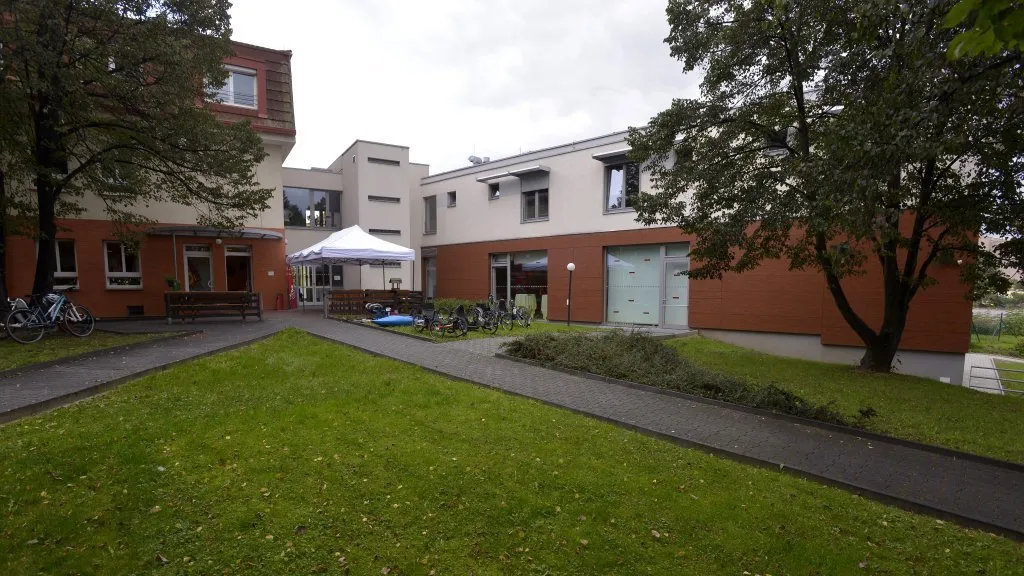
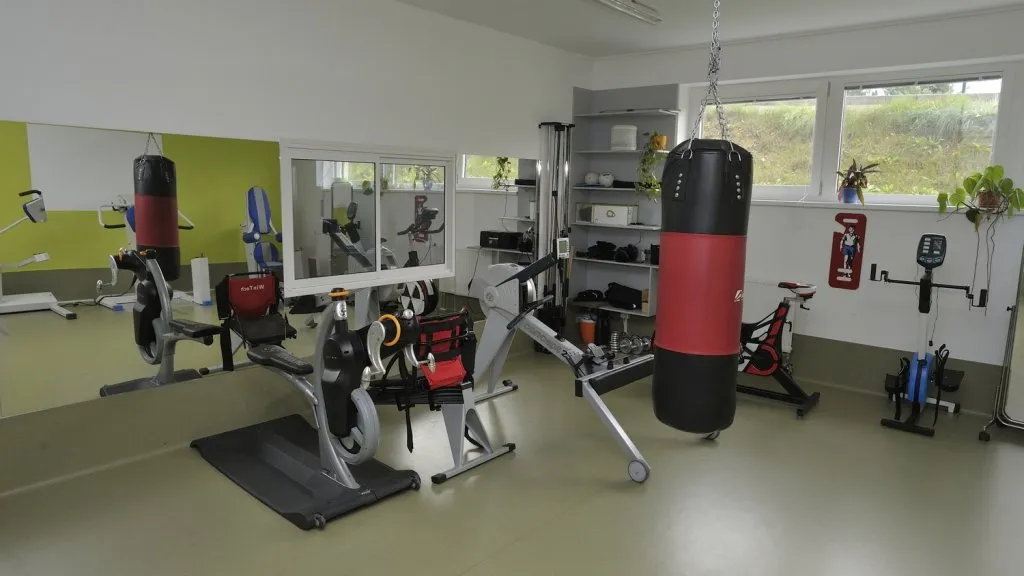
Paraple Centre premises
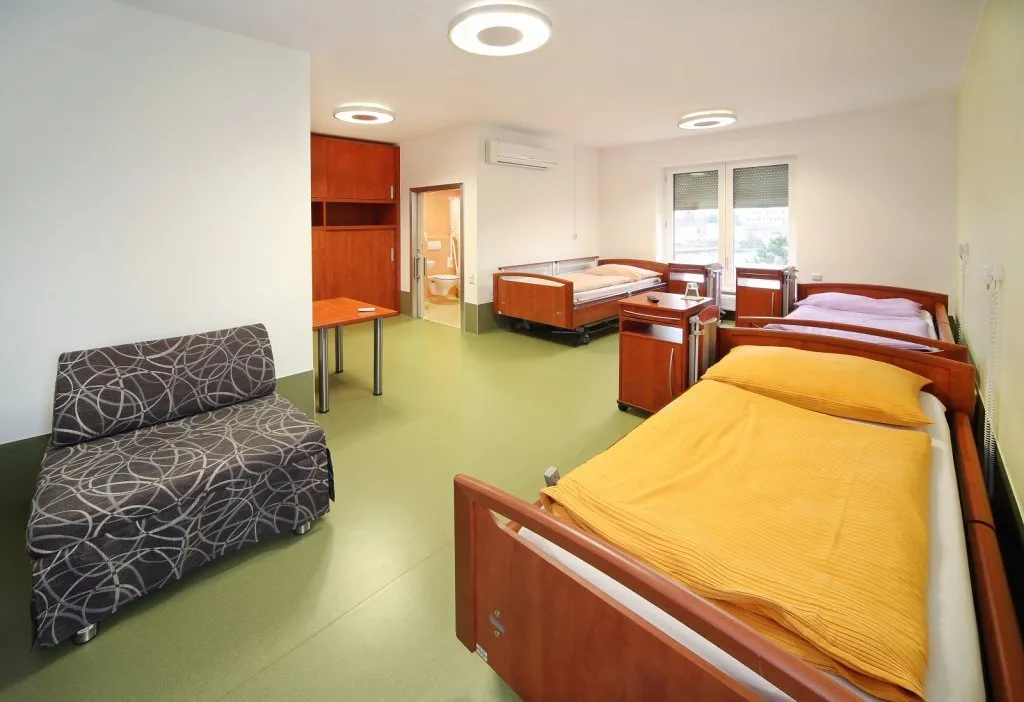
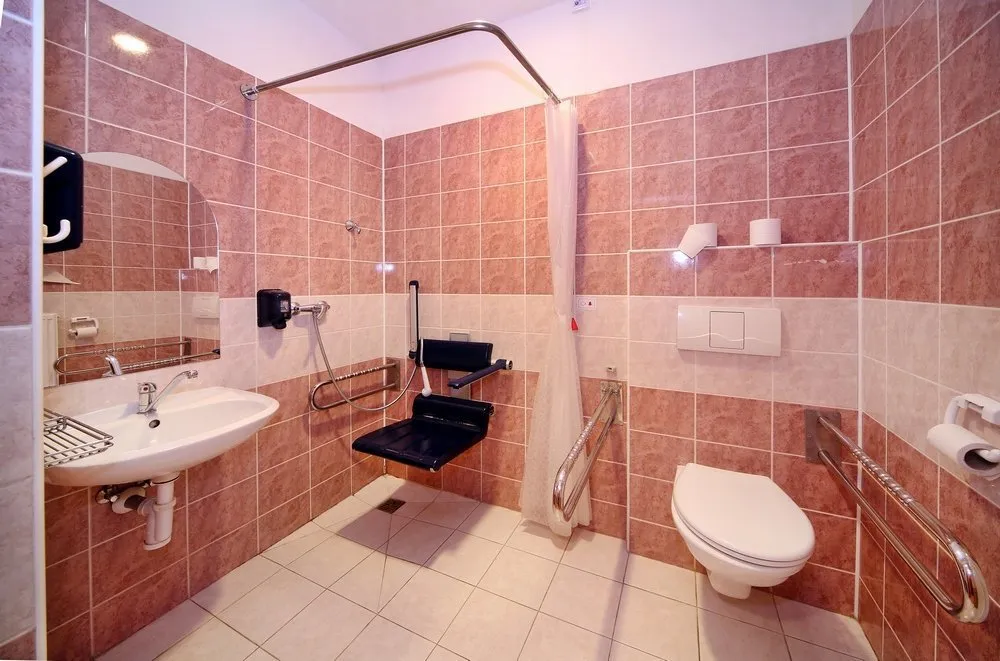
We want to be a showcase for accessibility, we have a decision to make whether to renovate or sell and build
Jirko, please tell us more about this.
Jirka: One of the things we've worked on extensively in the past has been our downtown renovation project. We were dealing with what technology we would need to make the building modern in terms of cooling, control, etc. We wanted to do more than just paint and replace the windows. The existing building is no longer suitable overall. We are addressing accessibility, but our building is full of barriers. For example, there is a ramp that some of the clients cannot manage, there are no electrically openable doors everywhere, we have old wiring, inadequate plumbing. We had to cancel the pool and aqua therapy. For these reasons, a renovation plan was created. We also got a building permit. But then the covid and the war came in and suddenly there was a funding problem. It's such a personal loss for me. Because I worked on it for 5 years and now it's been in the drawer for 3 years. I designed the reconstruction plan on the model of the world's prevention centers, which we visited personally.
We're a bit torn. On the one hand, we were ready for the reconstruction, but when it fell, we were also a bit relieved. It would have been extremely challenging during operation. But it weighs on us knowing that we can't move forward as a center because of it. We have the know-how, the experience, great people, but we are held back by the space. One space currently serves several therapies. It's also a challenge in terms of organisation. There is nowhere to put the equipment and technology, we have to borrow it. There's not even room for one extra chair for a new employee. We are currently looking for land around us where we could perhaps move professions that do not work directly with clients.
We also need to get funding. The Paraple Centre helps hundreds of people a year in direct services and indirectly has an international outreach, there is a waiting list for our services. The people we help are actively returning to the system. They need to get the skills to do that. We can help them. But the system doesn't have the money for us. We also need to fund specialists. We struggle with sustainability here too. Funding is the alpha omega. Resources are not unlimited, so we are looking for ways to self-fund. Prices in the construction industry have also risen incredibly. Working with Arridere, we can see what it could look like, but we can't do it without money. We would like to be a showcase of accessibility for others, but so far we are not. I would really like our centre to be modern, fully accessible and to be an inspiration to others.
Martin: Who can an organisation like yours actually turn to for help?
David: We are a private organisation, we have nowhere to turn. The most we can do is point out what would happen if we didn't implement our service. Non-profit organizations generally substitute some area that the state no longer addresses. And they do it better. Most of the time. There's an interest and they have a specialty. We know the financial benefit of how much money we save the state budget by that service, by the fact that the person doesn't end up in health care or even going back to work. But frankly, no body cares about that. It's a bit of a paradox. But back to the reconstruction. We have a beautiful plan, and if I could do magic, it would be great, because I was also very worried about the idea of reconstruction combined with operations. There's also a concern about getting everything done in time for the subsidies, because otherwise we'd lose them. This is our biggest topic today and where I see the greatest potential for our further cooperation. We have a vision, we need expertise and a partner to help us with it. Deciding where we are going to be is the most important decision we have to make. If we decide to build a new centre, the sale of the building and land in Malešovice, where we are currently based, will also be an issue.
The long-standing cooperation and shared history between Centrum Paraple and Arridere fills us with pride. We still have a lot of work ahead of us. We would like to thank all our colleagues who are working with us. To Martin, David and Jirka, thank you for your open conversation, reminiscing and sharing your plans for the future. We wish the Paraple Centre that their visions will soon be realized. We appreciate being part of this journey.

Paraple Centre
The main service of the centre is residential social rehabilitation. It is a complex system of care, support and therapeutic action of a professional multidisciplinary team. The main mission is to support clients in independence and personal autonomy not only in daily activities, but also in making decisions about their lives, regardless of the degree of dependence on the help of others.
Centrum Paraple